CISRS Operatives Training Scheme (COTS) Course
Key Features
Of this CISRS COTS Course:
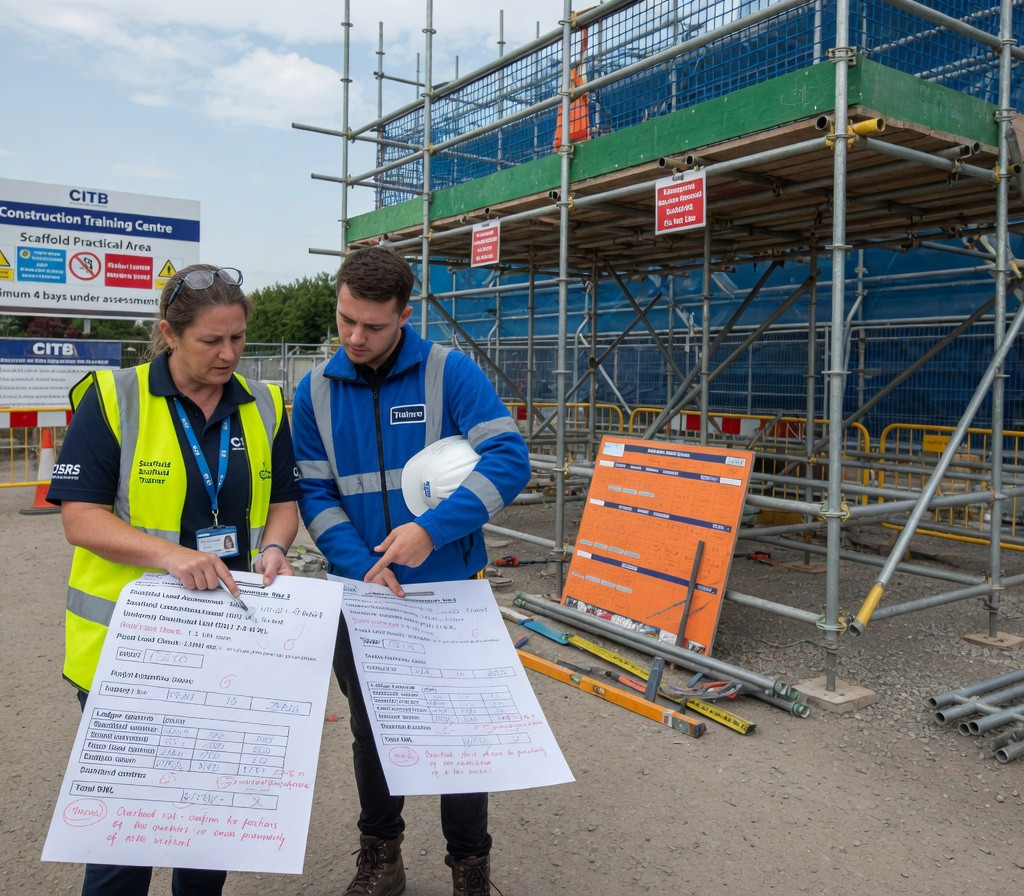
- Covers core health and safety responsibilities for all scaffolding operatives on UK construction sites
- Provides practical instruction in identifying, handling and assembling common scaffold components and systems
- Develops understanding of load calculations, stability principles and weather-related risks
- Includes hands-on training in basic erection, alteration and dismantling sequences for tube-and-fitting and system scaffolds
- Prepares delegates for progression onto CISRS Part 1 and Part 2 Scaffolder training pathways
- Focuses on safe working practices aligned with current NASC and HSE guidance
Course Date Availability
CISRS COTS training at the following 11 centres. Prices from £173 per person :
Course Information
Overview:
The CISRS Operatives Training Scheme (COTS) delivers the foundational training required for anyone entering the scaffolding sector as an operative. It combines classroom-based theory with practical exercises that reflect real site conditions, ensuring delegates understand both the technical and safety requirements of scaffolding work. In 2026 this qualification remains the recognised entry point for operatives who wish to work legally and competently on UK construction projects under CISRS card schemes.
Who Should Attend?
This course is designed for:
- New entrants to the scaffolding industry
- General construction labourers moving into scaffolding roles
- Site operatives who assist qualified scaffolders
- Supervisors requiring basic scaffolding safety awareness
- Employers needing to upskill existing workforce members
What You Will Learn
By the end of the course you will be able to:
- Current UK health and safety legislation relevant to scaffolding operations
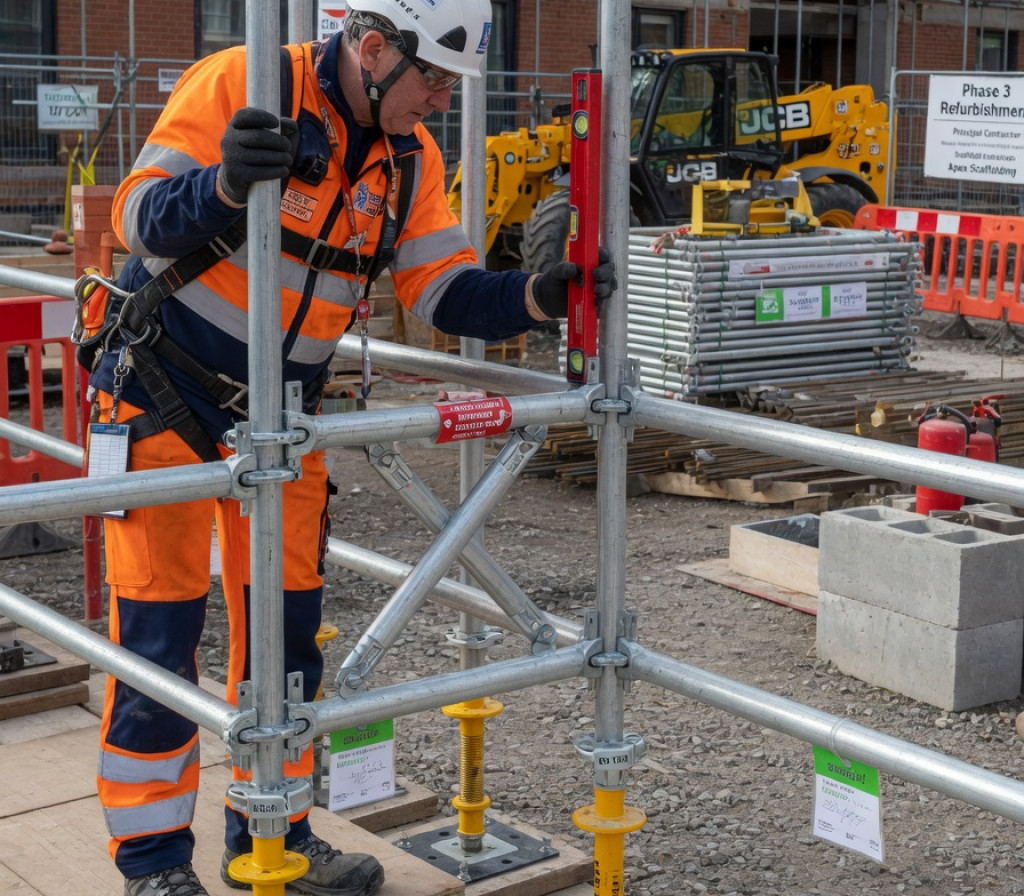
- Recognition and safe handling of tube, fitting, board and system scaffold components
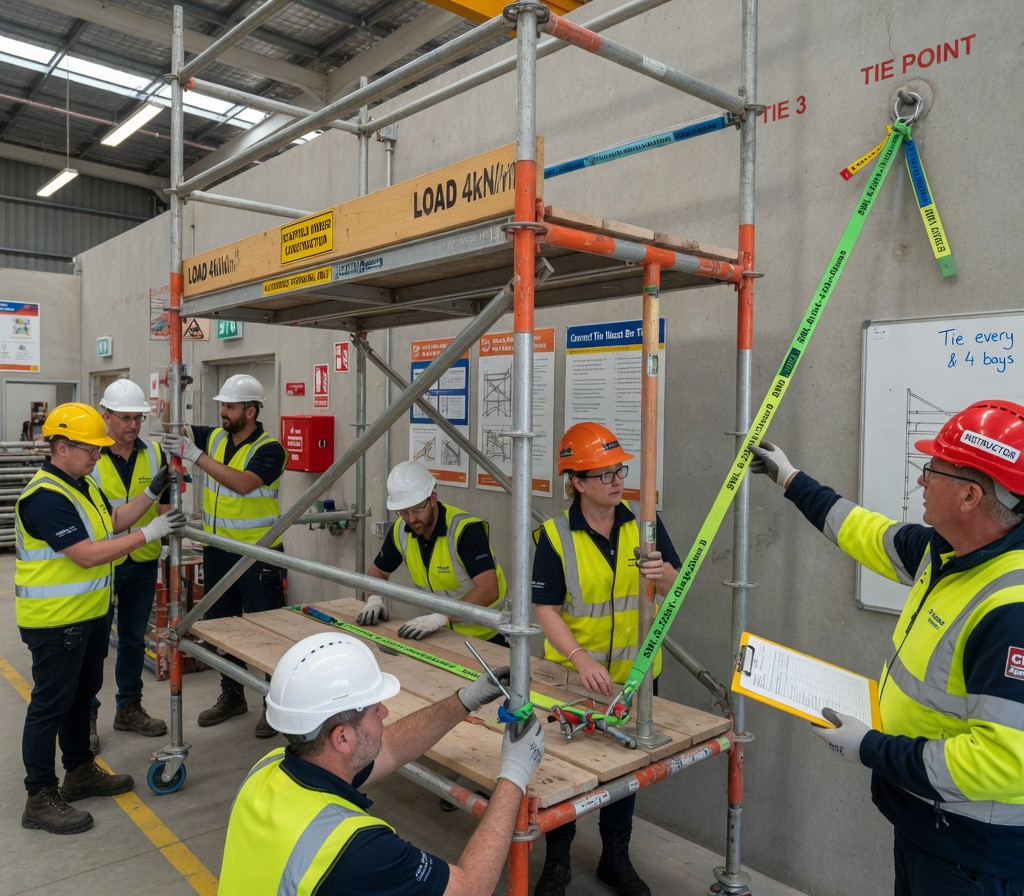
- Basic principles of scaffold stability, load distribution and tie requirements
- Standard erection and dismantling sequences for independent and tower scaffolds
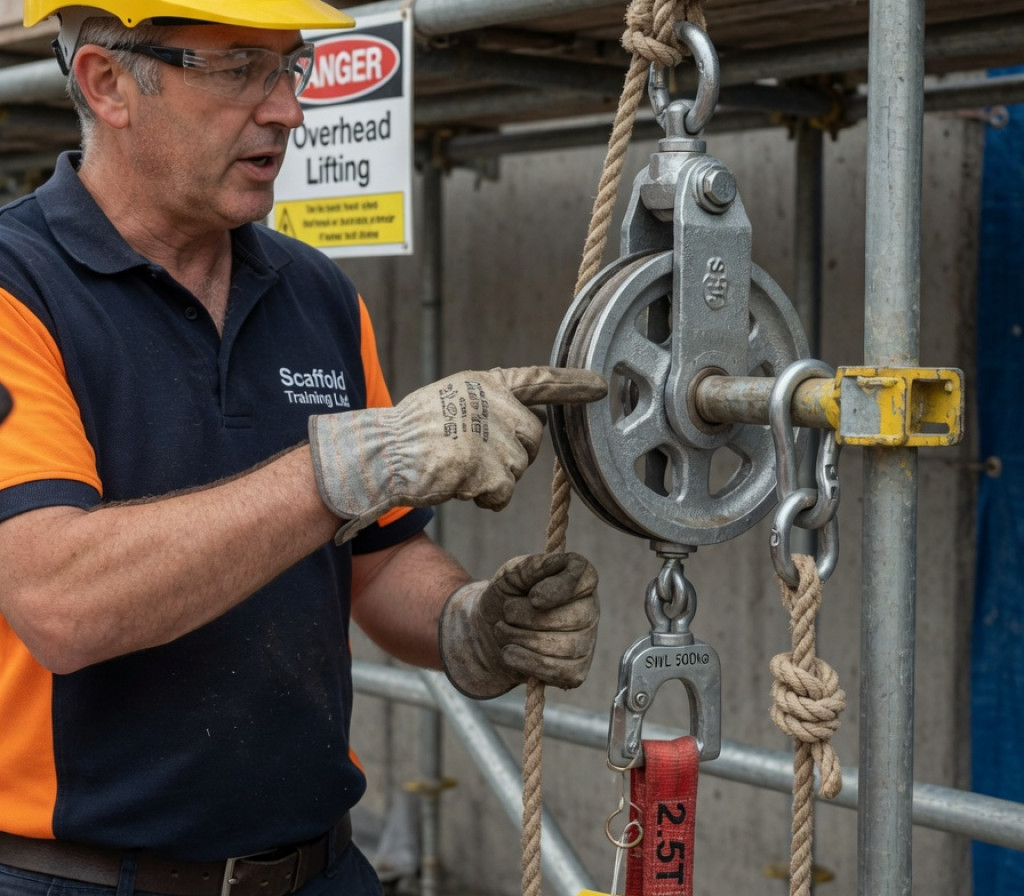
- Safe use of ladders, gin wheels and lifting equipment during scaffold work
- Identification of common hazards including falls, falling objects and structural failure
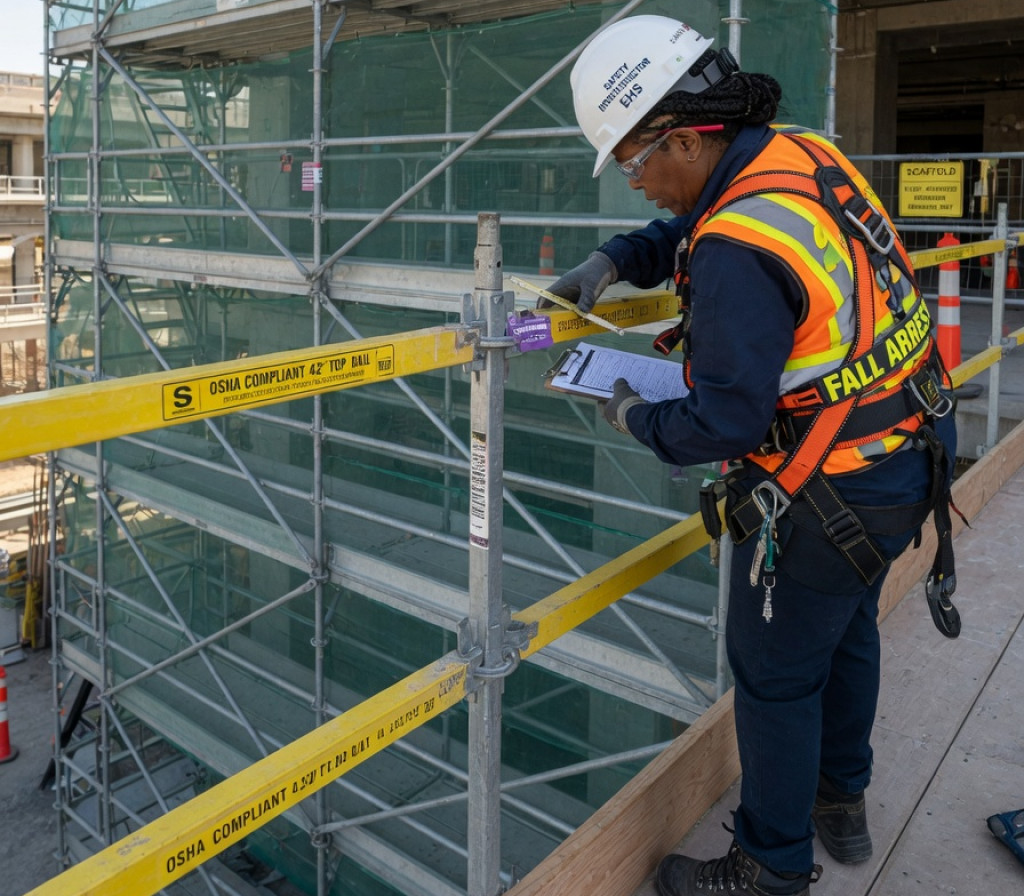
- Correct use of personal fall protection and rescue procedures
Course Agenda
Overview:
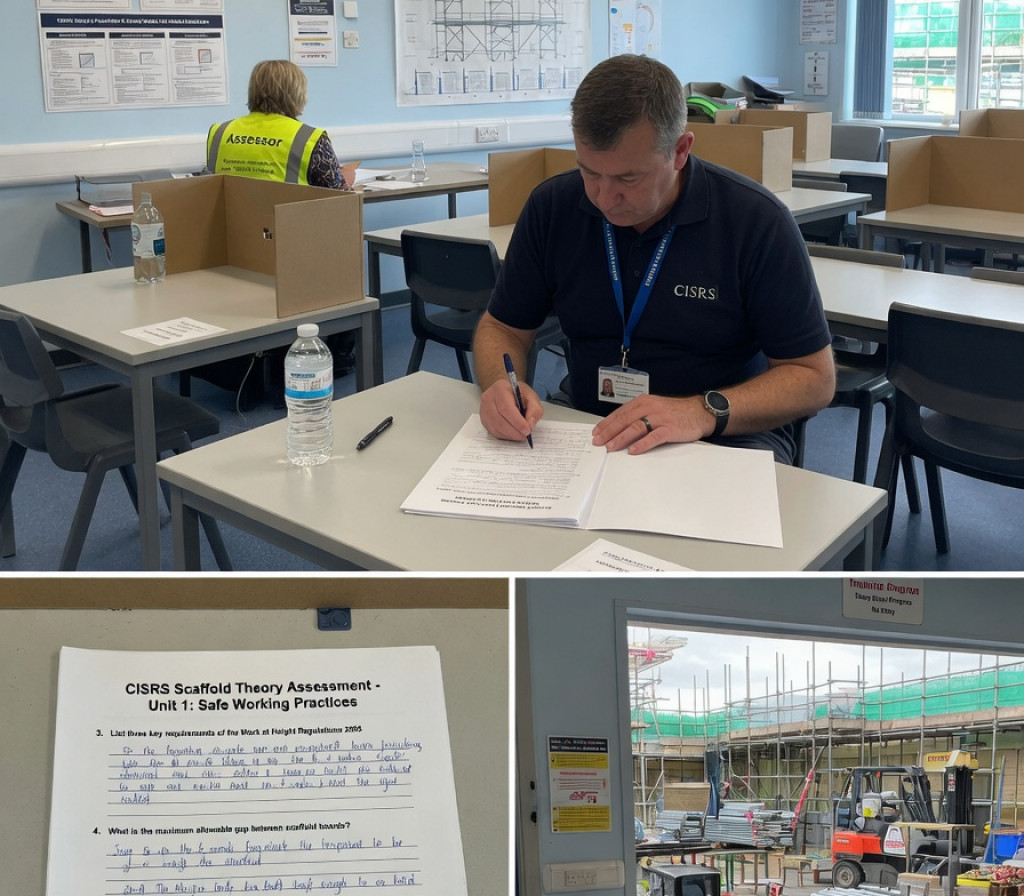
The course runs over five consecutive days and combines short theory sessions with supervised practical activities on a purpose-built scaffold training rig. Delegates complete daily assessments that build towards a final practical and written test.
Key Modules Covered
What you will learn:
- Health, Safety and Welfare Responsibilities
- Scaffold Components, Systems and Terminology
- Stability, Ties and Load Assessment
- Basic Erection and Dismantling Techniques
- Working at Height and Fall Prevention
- Site Hazards, Weather and Environmental Factors
- Practical Skills Assessment and Theory Test
Private Courses On-site
CISRS Operatives Training Scheme (COTS) training is also available as a dedicated course, at your premises, and on a date and time of your choosing. Advantages of group / private course is the convenience of candidates being in familiar surroundings and not having to travel, the lowest price, and the ability to have the course tailored to your own application.
Latest Delegate Feedback
⭐ Rated 4.2 By Our Candidates - (162 reviews)
Everyone thought the CISRS Operatives Training Scheme (COTS) class / course was comprehensive and covered a lot of ground.
★★★★★
5 ⭐ – Dean H - Mon 11th May 2026
Informative...
★★★★
4 ⭐ – Chris P - Mon 11th May 2026
Really good...
★★★★★
5 ⭐ – Steven S - Sun 10th May 2026
Tutorage on the CISRS Operatives Training Scheme (COTS) training session that took place in Warrington recently was one of the most useful courses attended..
★★★★★
5 ⭐ – Phil - Sun 10th May 2026
Accreditation & Next Steps
What you will achieve as a result:
Delegates who complete the course and pass both assessments receive a CISRS certificate. This allows application for the CISRS Operative card, which is required before progressing to the CISRS Part 1 Scaffolder course. The certificate remains valid for five years.
Frequently Asked Questions
Most commonly asked CISRS Operatives Training Scheme (COTS) questions:
The course is delivered over five consecutive days, combining theory lessons with practical exercises and final assessments.
No formal qualifications are required, although delegates must be physically fit and able to work at height. A basic understanding of construction site safety is helpful.
Training covers health and safety law, scaffold components, stability principles, basic erection sequences, fall prevention, lifting equipment and site hazards.
Delegates complete ongoing practical tasks plus a final written test and observed practical assessment on the training rig.
Successful delegates receive a CISRS certificate that supports their application for the CISRS Operative card.
The certificate remains valid for five years and allows progression to CISRS Part 1 Scaffolder training within that period.
Yes, operatives must renew their CISRS card every five years, which may involve additional training depending on experience and role.
COTS provides basic operative knowledge only. Part 1 teaches full scaffold erection to recognised standards and leads to the blue CISRS Scaffolder card.
Delegates must bring safety boots, hard hat, high-visibility clothing, safety harness and gloves. All other equipment is supplied at the training centre.
The certificate confirms competence in basic operative tasks and safety awareness, allowing supervised work on site once the CISRS Operative card is obtained.
Yes, the course introduces both traditional tube-and-fitting methods and common system scaffold types used across UK construction.
Delegates receive feedback and may retake the assessments at a later date once additional practice has been completed.
Prices per person typically start at £173. Discounts available for multi person or group bookings (depending upon location)
More Information
The training emphasises practical decision-making on site so operatives can recognise when work must stop or when a qualified scaffolder must be consulted. Delegates leave with clear knowledge of their legal duties and the technical limits of basic operative tasks.
Last updated: Jun 2026 • Part of XYZ Training Group