Safety Overhead Course
Key Features
Of this Safety Overhead Course:
- Covers the full scope of overhead crane and lifting equipment operations under current UK regulations including LOLER and PUWER
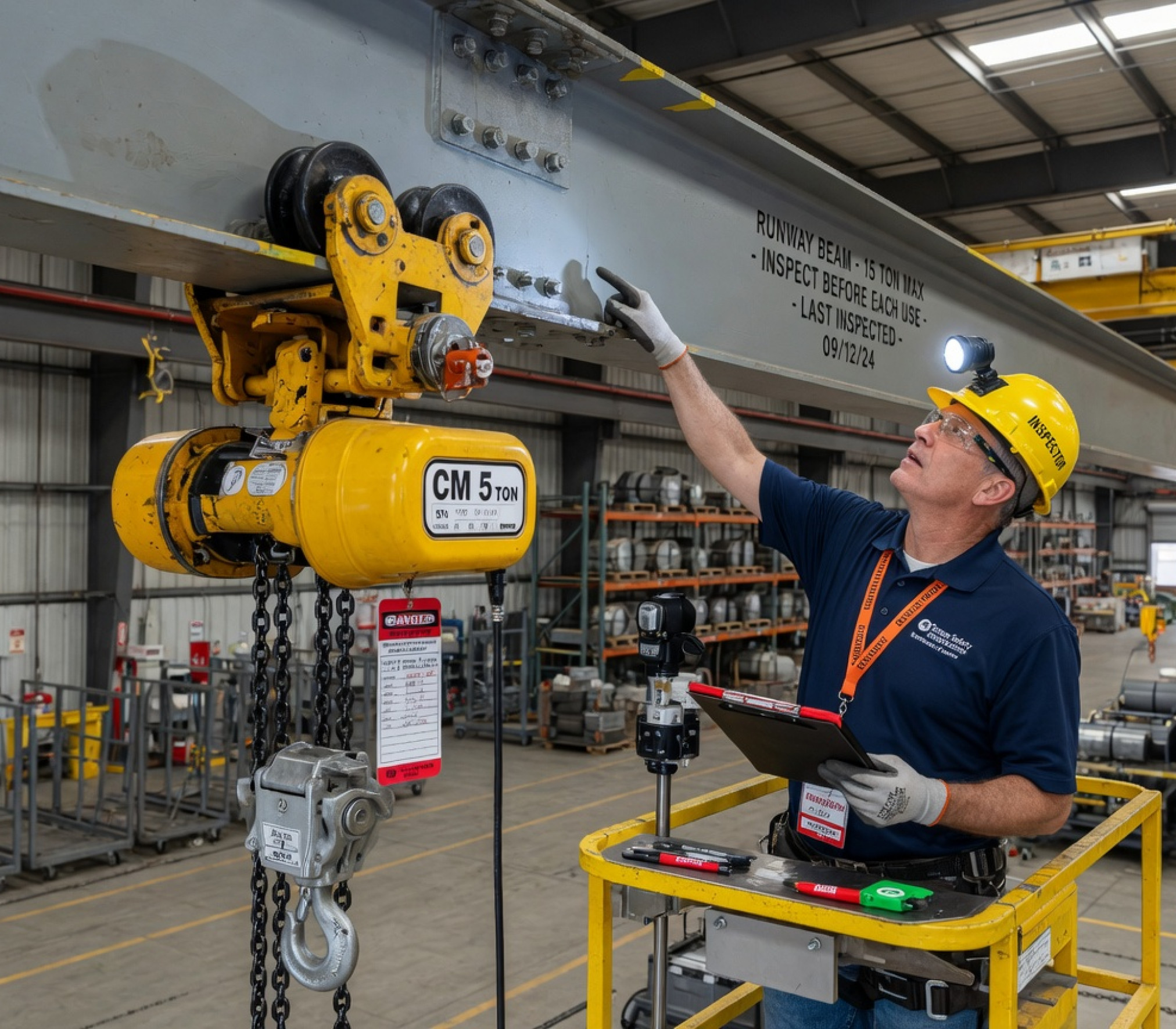
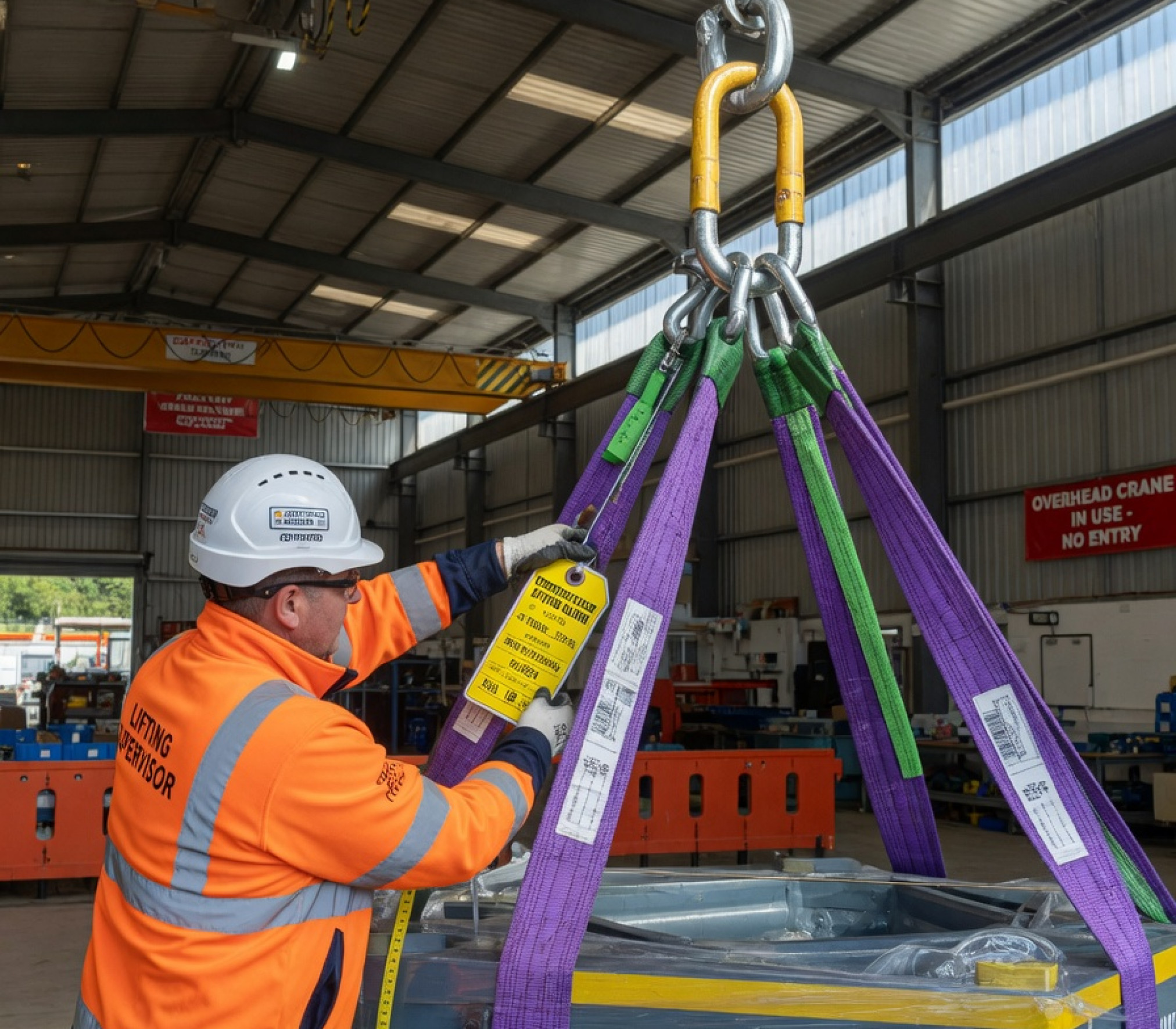
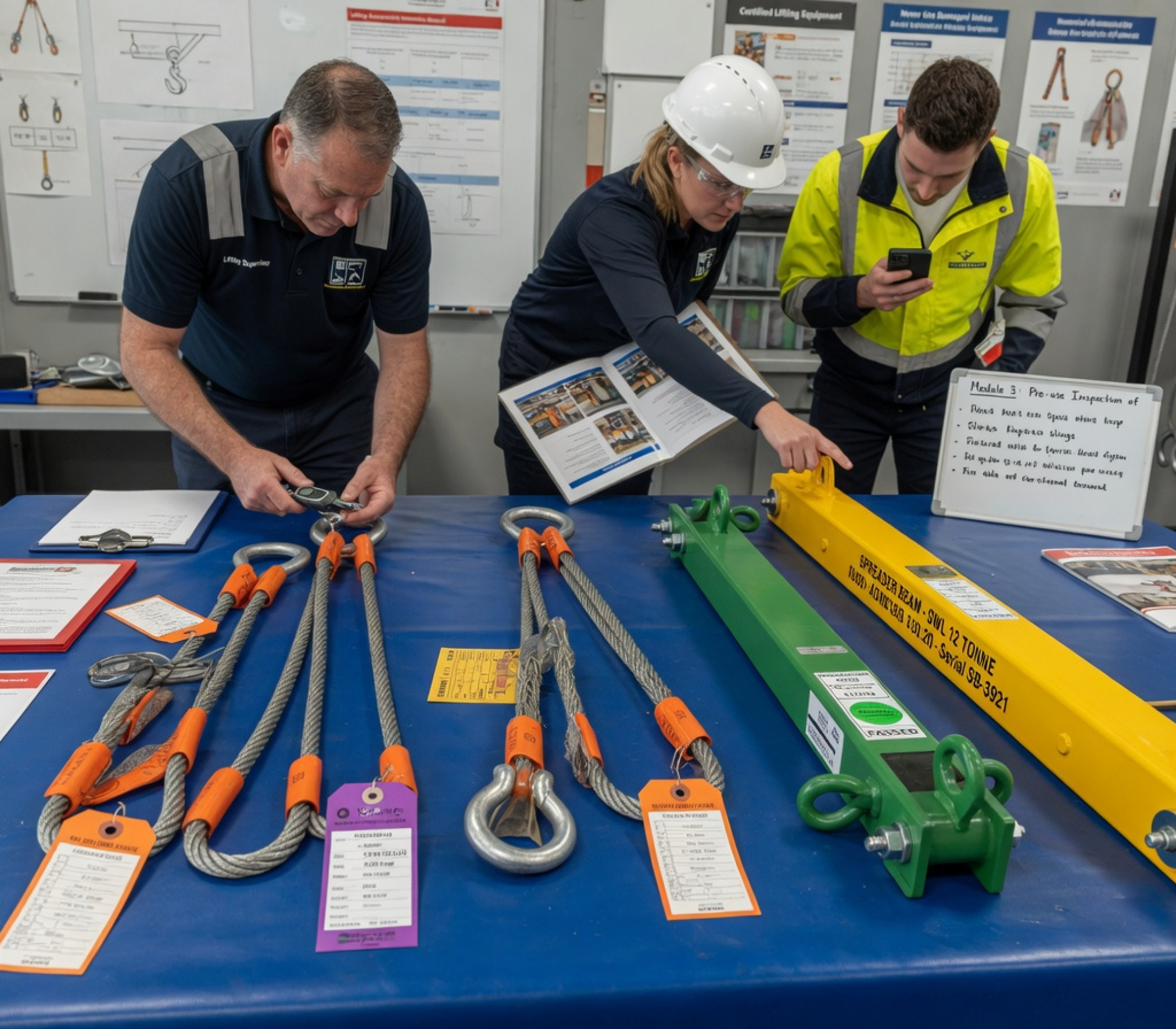
- Includes practical training on pre-use inspections, load assessment, and safe slinging techniques across multiple crane types
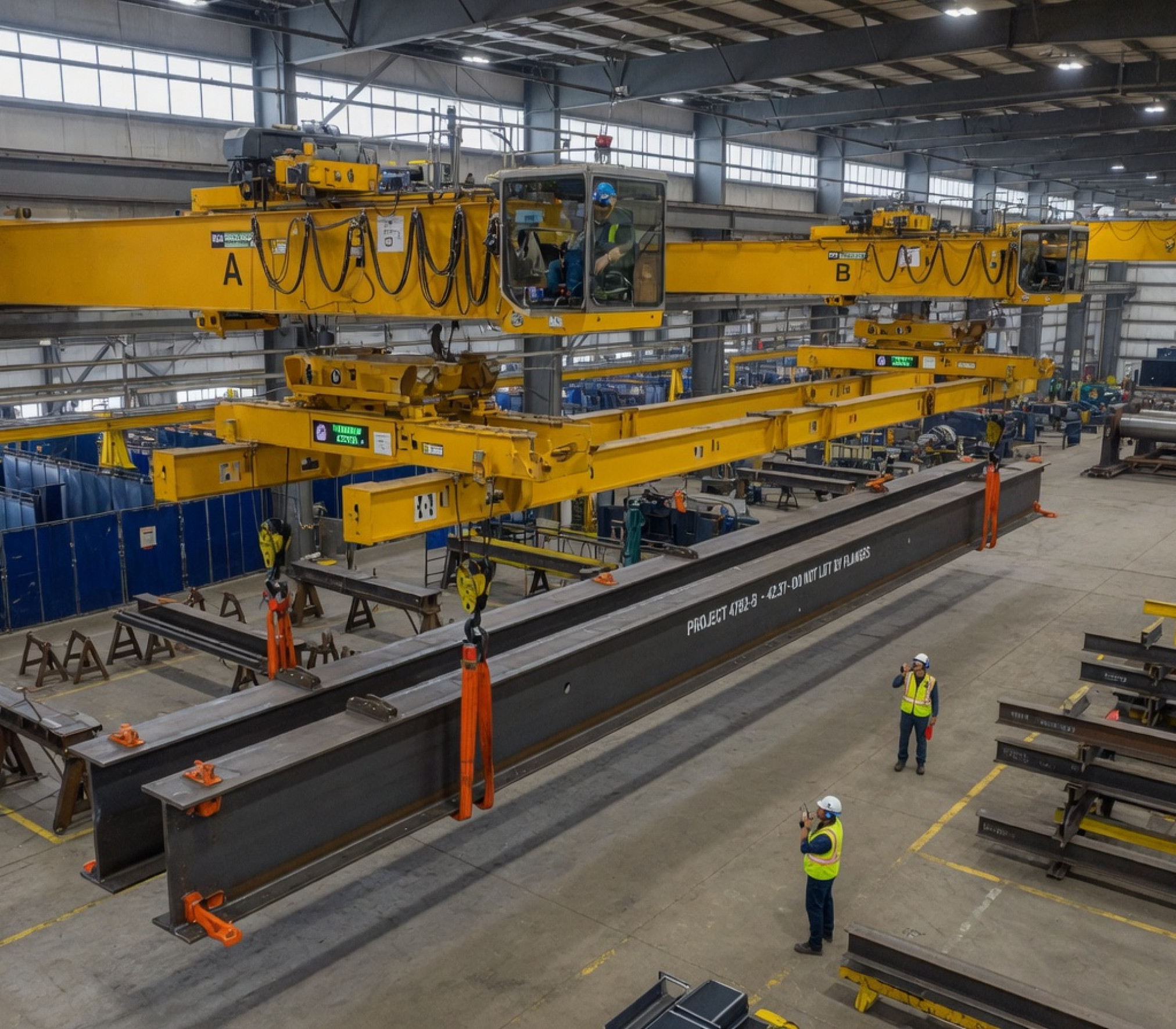
- Addresses real workplace scenarios such as tandem lifts, blind lifts, and operations in restricted spaces
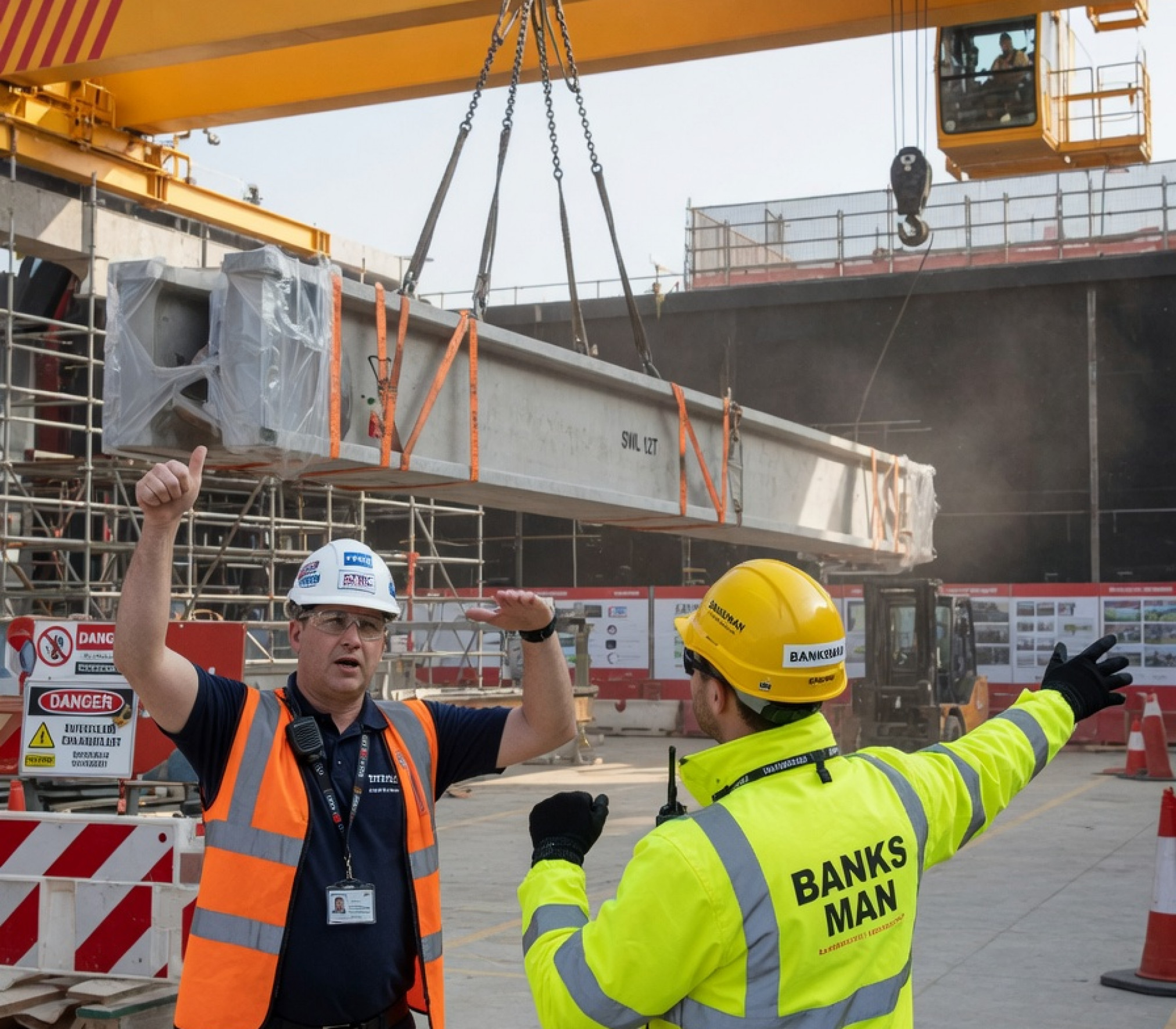
- Emphasises risk assessment, exclusion zones, and communication protocols between operators and banksmen
- Provides recognised certification demonstrating competence for overhead lifting roles across industrial sectors
Course Date Availability
Safety Overhead training at the following 2 centres. Prices from £400 per person :
| Training Centres | Next Available Dates |
|---|---|
| Reading | 20th Jul 20263rd Aug 2026 |
| Tonbridge | 27th Jul 202610th Aug 2026 |
Course Information
Overview:
Safety Overhead training delivers comprehensive instruction on the safe planning, execution and supervision of lifting operations using overhead cranes, gantry systems and associated equipment. Delegates learn to apply LOLER and PUWER requirements in daily operations while developing the practical skills needed to identify hazards, select appropriate lifting accessories and maintain control throughout each lift. The course prepares participants to work confidently in warehouses, manufacturing plants and construction environments where overhead lifting forms a regular part of operations.
Who Should Attend?
This course is designed for:
- Overhead crane operators
- Lifting supervisors and appointed persons
- Warehouse and production team leaders
- Maintenance engineers working near overhead systems
- Health and safety officers responsible for lifting operations
- Banksmen and slingers supporting overhead lifts
What You Will Learn
By the end of the course you will be able to:
- How to conduct thorough pre-use checks on overhead cranes and runway systems
- Correct selection and inspection of lifting accessories including slings, shackles and spreader beams
- Safe load assessment, weight calculation and centre-of-gravity determination
- Application of signalling methods and radio communication during overhead lifts
- Planning and execution of complex lifts including tandem and blind operations
- Emergency procedures and safe isolation of overhead equipment
Course Agenda
Overview:
The course runs over three days and combines classroom theory sessions with extensive practical exercises in a controlled industrial environment. Delegates complete both individual and team-based lifting tasks using representative overhead equipment.
Key Modules Covered
What you will learn:
- Legal framework and responsibilities under LOLER, PUWER and HSWA
- Crane types, components and safe working load considerations
- Pre-use inspection and defect reporting procedures
- Lifting accessory selection, storage and maintenance
- Risk assessment and method statement development
- Practical slinging, lifting and positioning exercises
- Communication, exclusion zones and team coordination
- Post-lift checks, reporting and equipment isolation
Private Courses On-site
Safety Overhead training is also available as a dedicated course, at your premises, and on a date and time of your choosing. Advantages of group / private course is the convenience of candidates being in familiar surroundings and not having to travel, the lowest price, and the ability to have the course tailored to your own application.
Latest Delegate Feedback
⭐ Rated 4.2 By Our Candidates - (168 reviews)
Full of useful and useable content...
★★★★★
5 ⭐ – Daniel R - Fri 8th May 2026
Xyz.co.uk Training was good overall. Really helped me, thx.. . Nicoleta Angheluta helped us through the process really well.
★★★★
4 ⭐ – Kevin S - Thu 7th May 2026
8/10. Public transport the only issue....
★★★★★
5 ⭐ – Kay O - Wed 6th May 2026
Well executed...
★★★★★
5 ⭐ – Elaine G - Sat 2nd May 2026
Accreditation & Next Steps
What you will achieve as a result:
Successful delegates receive a certificate of training that confirms competence in overhead lifting operations. The qualification is valid for five years, after which a refresher course is required to maintain currency and demonstrate continued competence to employers and site auditors.
Frequently Asked Questions
Most commonly asked Safety Overhead questions:
The standard course runs for three consecutive days combining theory and practical assessment.
Delegates should have a reasonable level of fitness and be able to understand written and spoken English. No prior lifting qualification is required.
The syllabus includes legislation, crane types, pre-use inspections, lifting accessory selection, load assessment, signalling, complex lift planning and emergency procedures.
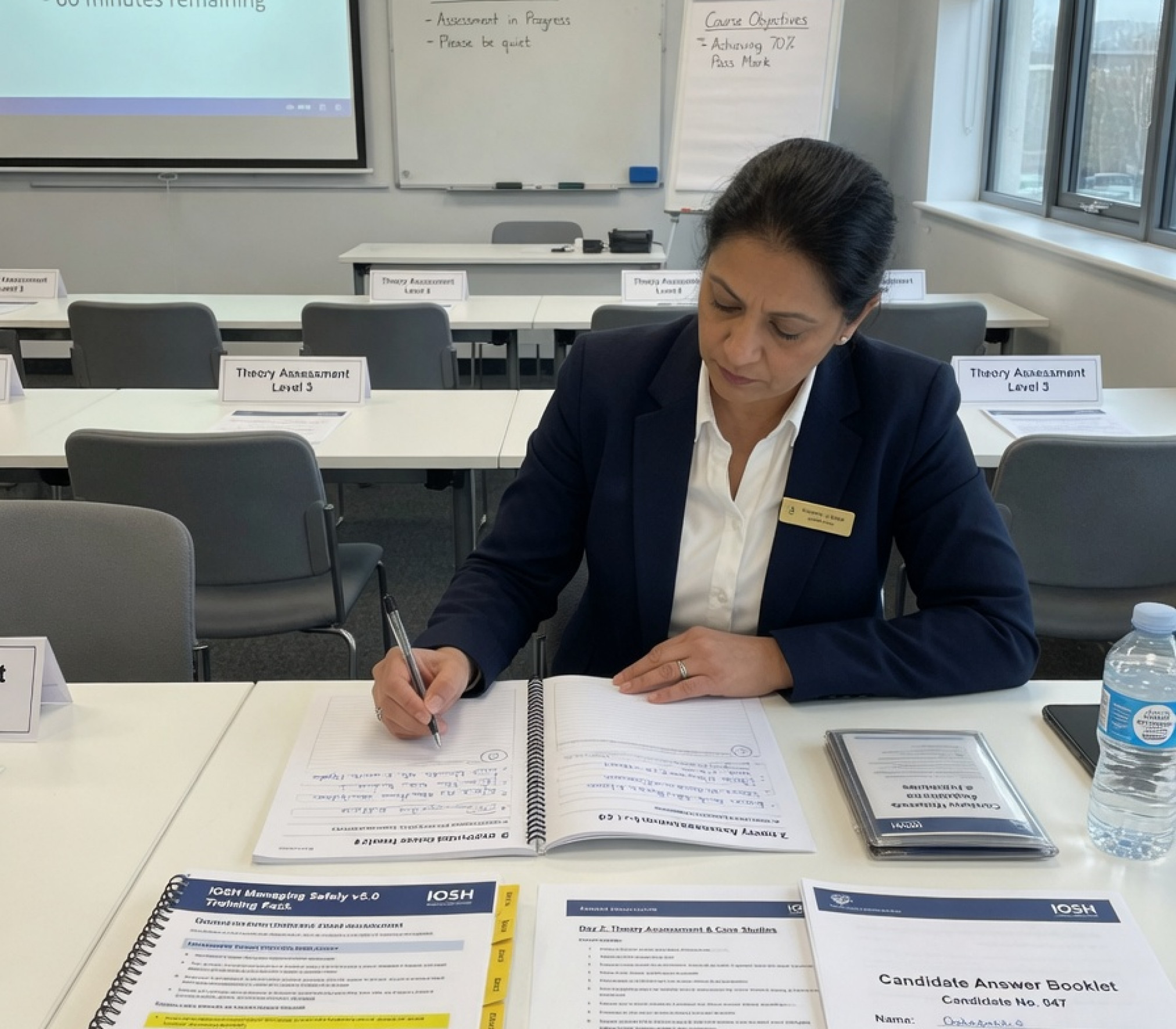
Assessment includes a written test on theory and continuous practical evaluation of inspection, slinging and lifting tasks by the instructor.
Delegates receive a certificate confirming they have completed Safety Overhead training and demonstrated the required competence.
The certificate remains valid for five years from the date of issue.
Yes, refresher training is recommended every five years to maintain competence and meet employer and regulatory expectations.
This course focuses specifically on overhead crane systems, runway beams and associated overhead equipment rather than mobile or tower cranes.
Delegates should wear appropriate work clothing, safety footwear and bring any prescription safety glasses they normally require.
Yes, the practical sessions include planning and executing tandem lifts using two overhead cranes.
Yes, the course can be delivered at suitable client locations that provide access to overhead crane equipment meeting safety standards.
Yes, it includes safe access methods, fall prevention and isolation procedures when working at height to inspect or maintain overhead equipment.
Prices per person typically start at £400. Discounts available for multi person or group bookings (depending upon location)
More Information
The training focuses on developing the practical judgement required to manage overhead lifting safely in varied industrial settings. Delegates leave with clear understanding of their legal duties and the technical skills to apply safe systems of work every day.
Last updated: Jun 2026 • Part of XYZ Training Group