IRATA Rope Access Course
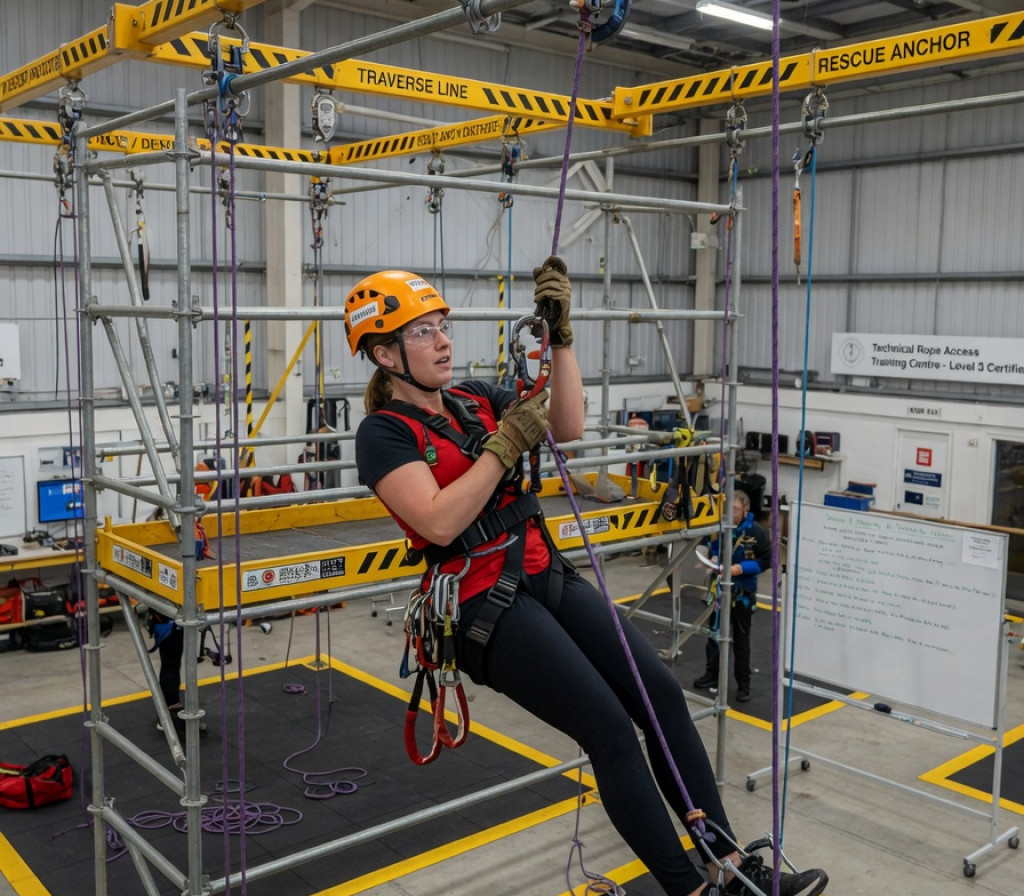
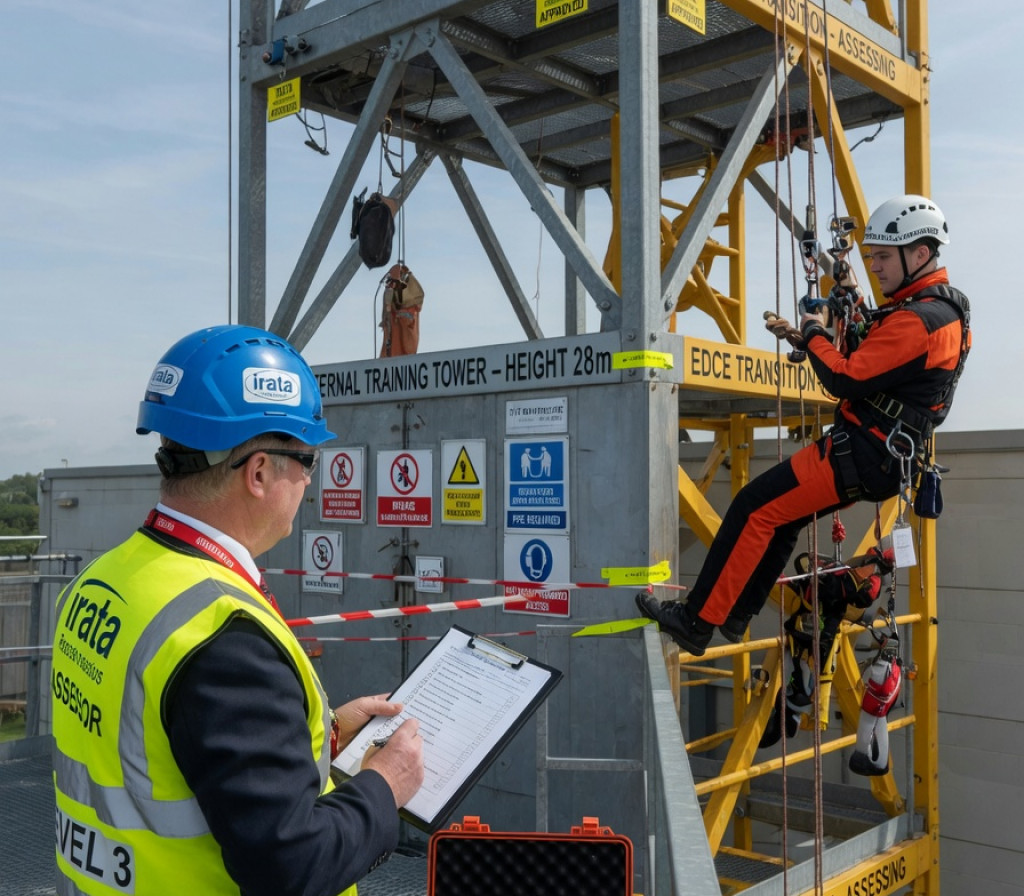
Key Features
Of this IRATA Rope Access Course:
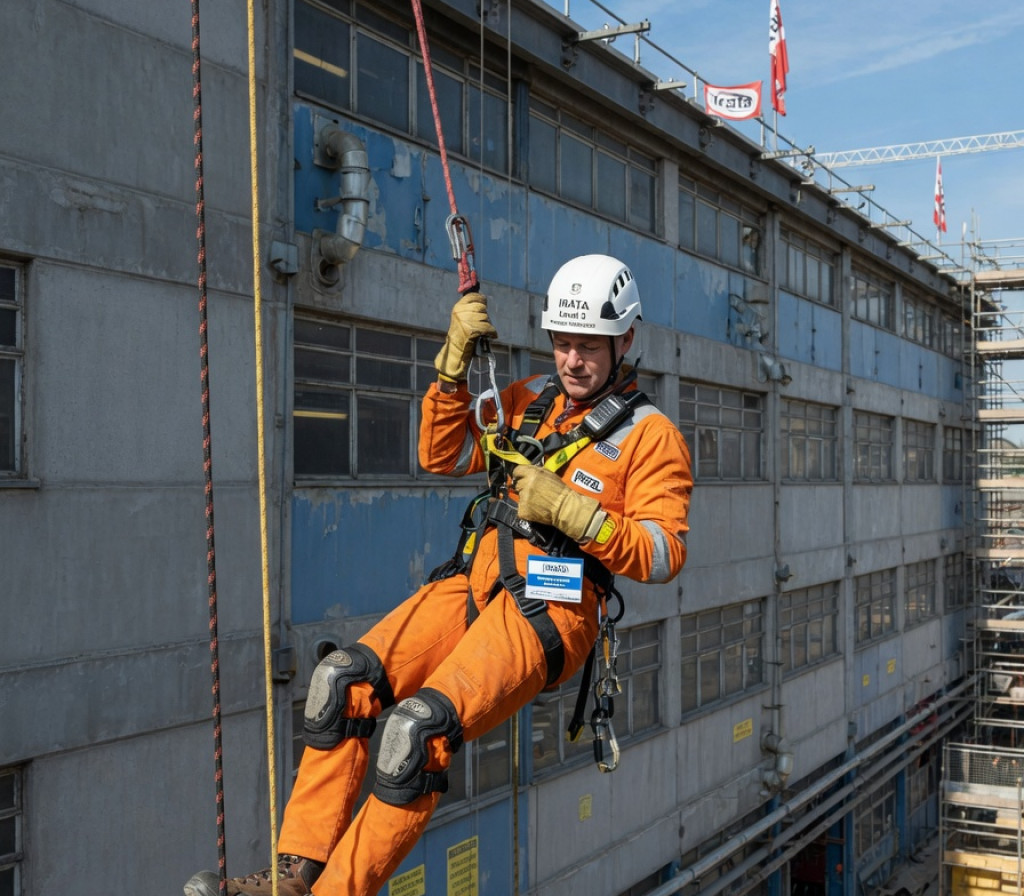
- Covers IRATA Levels 1, 2 and 3 progression within the same training framework used across UK industrial sites
- Includes comprehensive rope manoeuvres, rigging systems, rescue protocols and equipment inspection routines
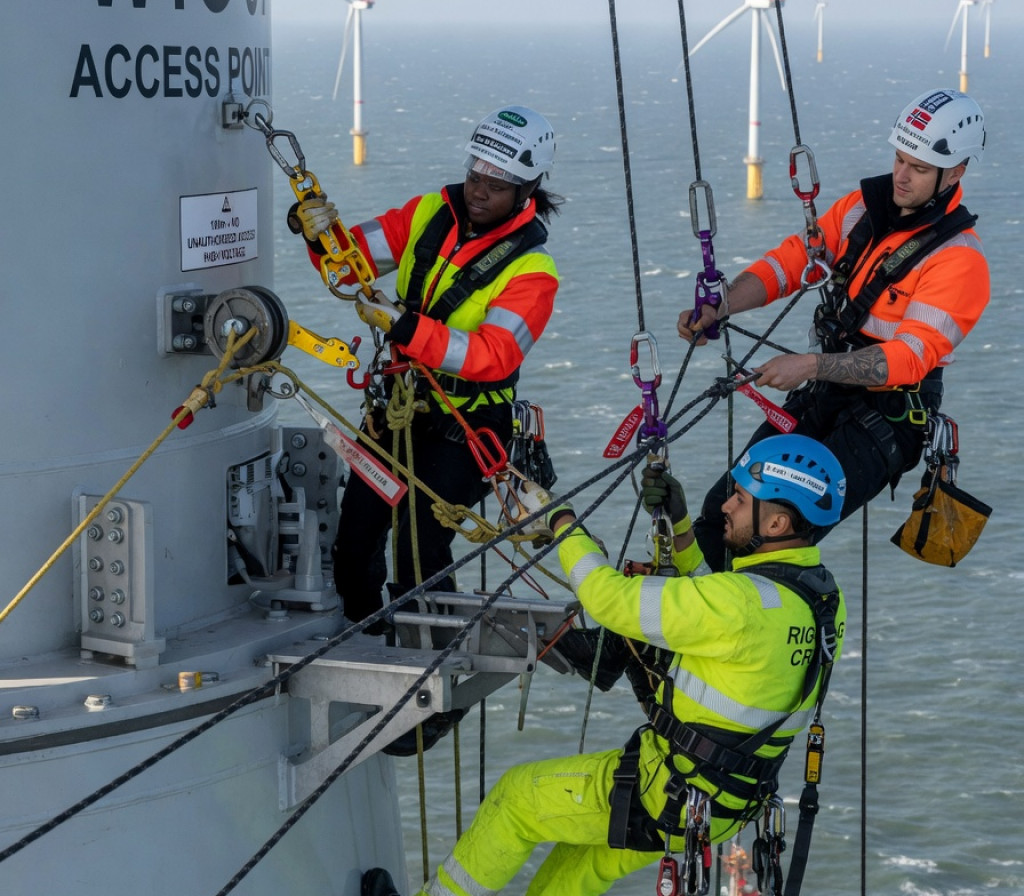
- Addresses real-site conditions such as confined spaces, exposed structures and variable weather environments
- Emphasises team-based working methods and clear communication required on live work sites
- Aligns fully with current IRATA syllabus and UK Work at Height Regulations
- Prepares delegates for independent assessment by an IRATA-approved assessor
Course Date Availability
IRATA Rope Access training at the following 14 centres. Prices from £725 per person :
Course Information
Overview:
IRATA Rope Access training provides the recognised qualification for technicians who work at height using industrial rope access methods. The course delivers the complete syllabus required for certification at each level, covering safe access, positioning, rescue and equipment management in demanding industrial settings. Delegates learn through a structured combination of classroom theory and extensive practical sessions that replicate actual workplace scenarios found on construction, maintenance, energy and offshore sites.
Who Should Attend?
This course is designed for:
- Maintenance technicians working on high structures or industrial plant
- Wind turbine service personnel requiring rope access capability
- Construction workers involved in façade installation or structural inspection
- NDT inspectors and surveyors operating in difficult-to-reach locations
- Supervisors responsible for managing rope access teams on site
- Experienced operatives seeking to progress from Level 1 to Level 3
What You Will Learn
By the end of the course you will be able to:
- Safe ascending, descending, traversing and deviation techniques using approved rope systems
- Rigging of anchor points, work seats and tensioned lines for varied site configurations
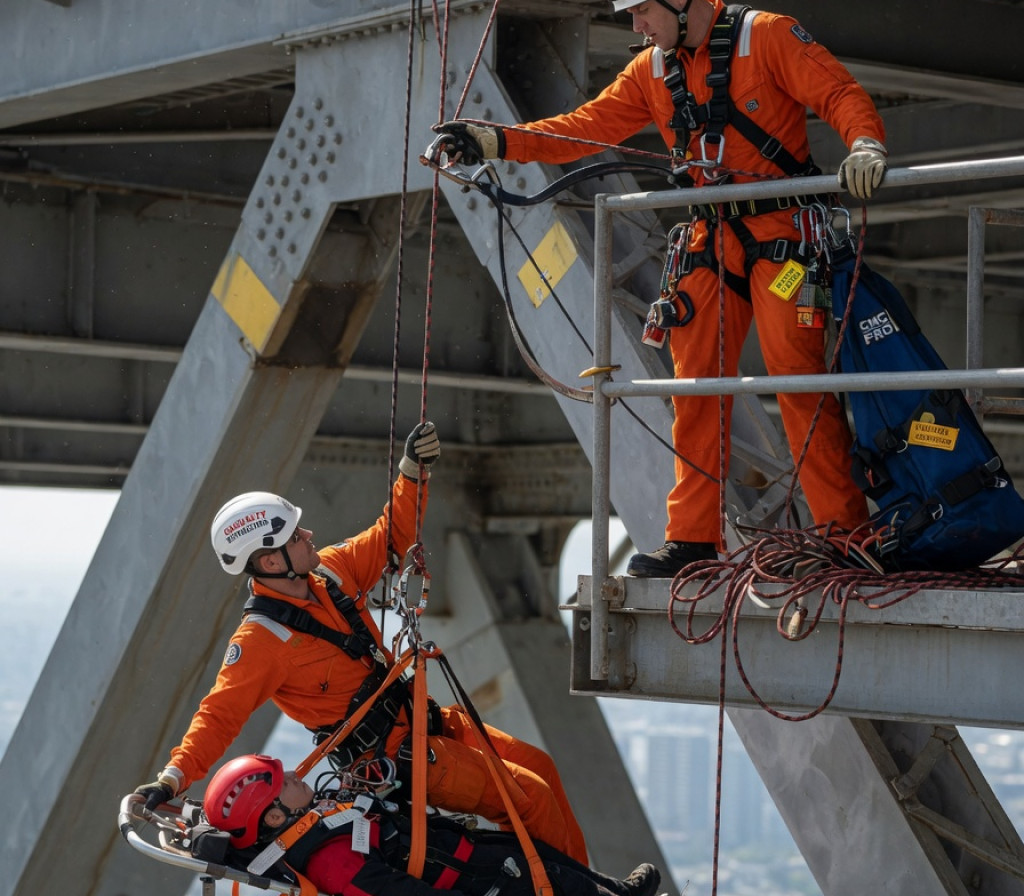
- Rescue procedures including casualty recovery from rope and confined spaces
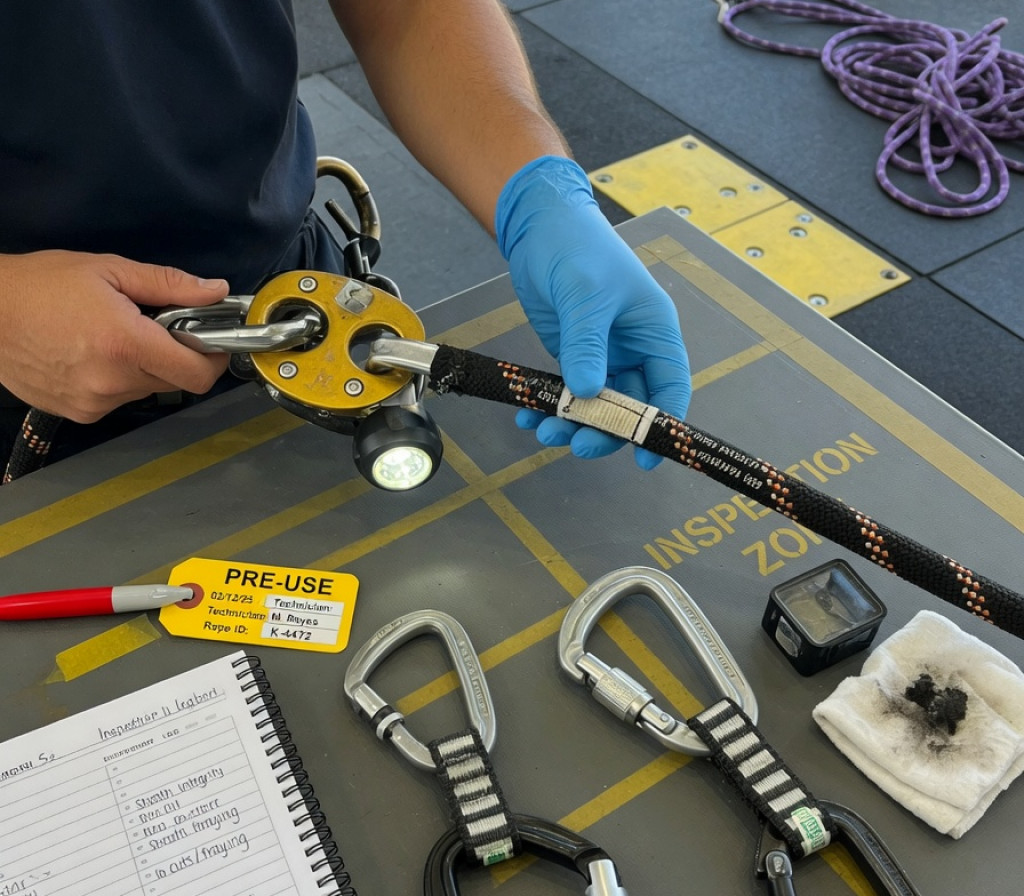
- Pre-use inspection, care and storage of ropes, harnesses and associated hardware
- Risk assessment, method statements and permit-to-work procedures
- Progression requirements and responsibilities at each IRATA level
Course Agenda
Overview:
The course runs over five consecutive days with a balance of theory sessions and practical rope work each day. Delegates complete progressive exercises that build from basic manoeuvres to complex rescue scenarios before final assessment.
Key Modules Covered
What you will learn:
- IRATA safety and legislative framework
- Rope access equipment identification and inspection
- Basic and advanced rope manoeuvres
- Rigging and anchor systems
- Rescue techniques and casualty management
- Team communication and site logistics
Private Courses On-site
IRATA Rope Access training is also available as a dedicated course, at your premises, and on a date and time of your choosing. Advantages of group / private course is the convenience of candidates being in familiar surroundings and not having to travel, the lowest price, and the ability to have the course tailored to your own application.
Latest Delegate Feedback
⭐ Rated 4.2 By Our Candidates - (166 reviews)
On reflection the training course held at our premises recently was engaging from start to finish.
★★★★★
5 ⭐ – Luke G - Thu 25th Jun 2026
I was really impressed with the IRATA Rope Access training day held at the Belfast training centre was refreshingly good. Nicoleta Angheluta was very communicative.
★★★★★
5 ⭐ – Ian K - Mon 22nd Jun 2026
The delivery on the IRATA Rope Access class held at the Linlithgow training centre was genuinely enjoyable. Having Client manage my training the best part.
★★★★★
5 ⭐ – Peter K - Wed 13th May 2026
I thought the training that took place in Linlithgow recently was universally enjoyed. If only other trainers were as good. . Nicoleta really helped us.
★★★★★
5 ⭐ – Tony T - Tue 12th May 2026
Accreditation & Next Steps
What you will achieve as a result:
Successful delegates receive an IRATA certificate and logbook entry valid for three years. The qualification is recognised by UK employers and site controllers. Technicians must complete a refresher course and reassessment before expiry to maintain current certification.
Frequently Asked Questions
Most commonly asked IRATA Rope Access questions:
The standard course duration is five days, combining theory and practical training followed by assessment.
Candidates must be at least 18 years old, medically fit to work at height and able to understand written and spoken English.
No prior rope access experience is required for Level 1. Higher levels require documented logged hours and previous certification.
Assessment includes a written theory test and a practical evaluation of rope techniques, rigging and rescue skills conducted by an independent IRATA assessor.
Delegates receive an IRATA certificate and an entry in their personal logbook confirming the level achieved.
Certification remains valid for three years from the date of successful assessment.
You must attend a refresher course and complete fresh assessment before the expiry date to maintain current status.
IRATA focuses specifically on industrial two-rope access systems and rescue, whereas IPAF covers mobile elevating platforms and PASMA covers mobile access towers.
Delegates should wear suitable work clothing and sturdy footwear. All specialist rope access equipment is provided during training.
Training is normally conducted at approved IRATA training centres with facilities that meet strict safety and equipment standards.
Certified technicians can carry out inspection, maintenance, repair and installation work on structures where conventional access is impractical.
Techniques are suitable for most industrial and construction environments provided a suitable risk assessment and method statement have been completed.
Prices per person typically start at £725. Discounts available for multi person or group bookings (depending upon location)
More Information
The training follows the current IRATA syllabus and is delivered by instructors holding valid IRATA Level 3 certification. All practical work takes place under controlled conditions with appropriate safety measures in place.
Last updated: Jun 2026 • Part of XYZ Training Group